
A president took an extraordinary action targeting journalists and news organizations during a public appearance, marking a departure from historical precedent.
The incident raised immediate concerns among media analysts and press freedom advocates about the relationship between elected officials and the fourth estate. The moment sparked widespread discussion about the boundaries of presidential rhetoric toward news organizations.
What Happened
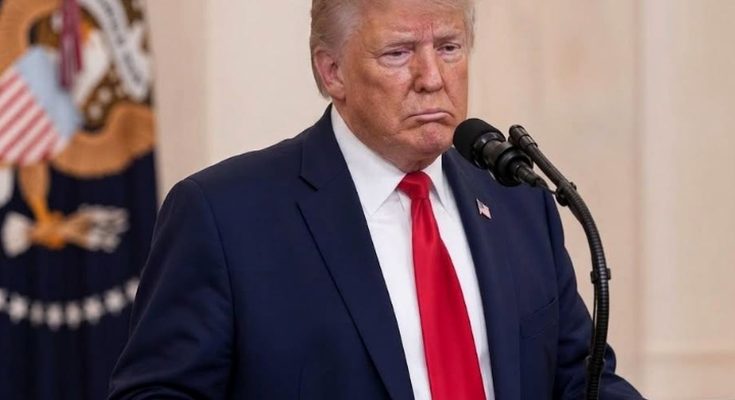
During a public event, the president made direct remarks directed at members of the press and their coverage. The statement went beyond typical criticism of news reporting or specific stories.
Observers noted the directness and specificity of the remarks, which targeted journalists themselves rather than editorial decisions. The comments were broadcast live and captured on camera for public consumption.
Press Freedom Concerns
Media organizations emphasized the importance of an independent press in democratic systems. Press freedom advocates stated that threats or intimidation of journalists undermine the ability of news outlets to report without fear.
Newsrooms called for solidarity among competing outlets in response to what they characterized as unprecedented pressure. Several major news organizations issued statements emphasizing constitutional protections for press freedom and their commitment to continued independent reporting.
What Comes Next
Press freedom groups outlined potential responses, including coordinated legal strategies and unified messaging from news organizations. Analysts suggested the incident could reshape how news outlets approach coverage of the administration and its policies.
Constitutional scholars noted that the First Amendment protections for press freedom remain in effect regardless of presidential statements. The long-term implications for press-government relations remained a subject of ongoing discussion.


0 comments:
Post a Comment