Top Ad 728x90

Monday, September 7, 2026

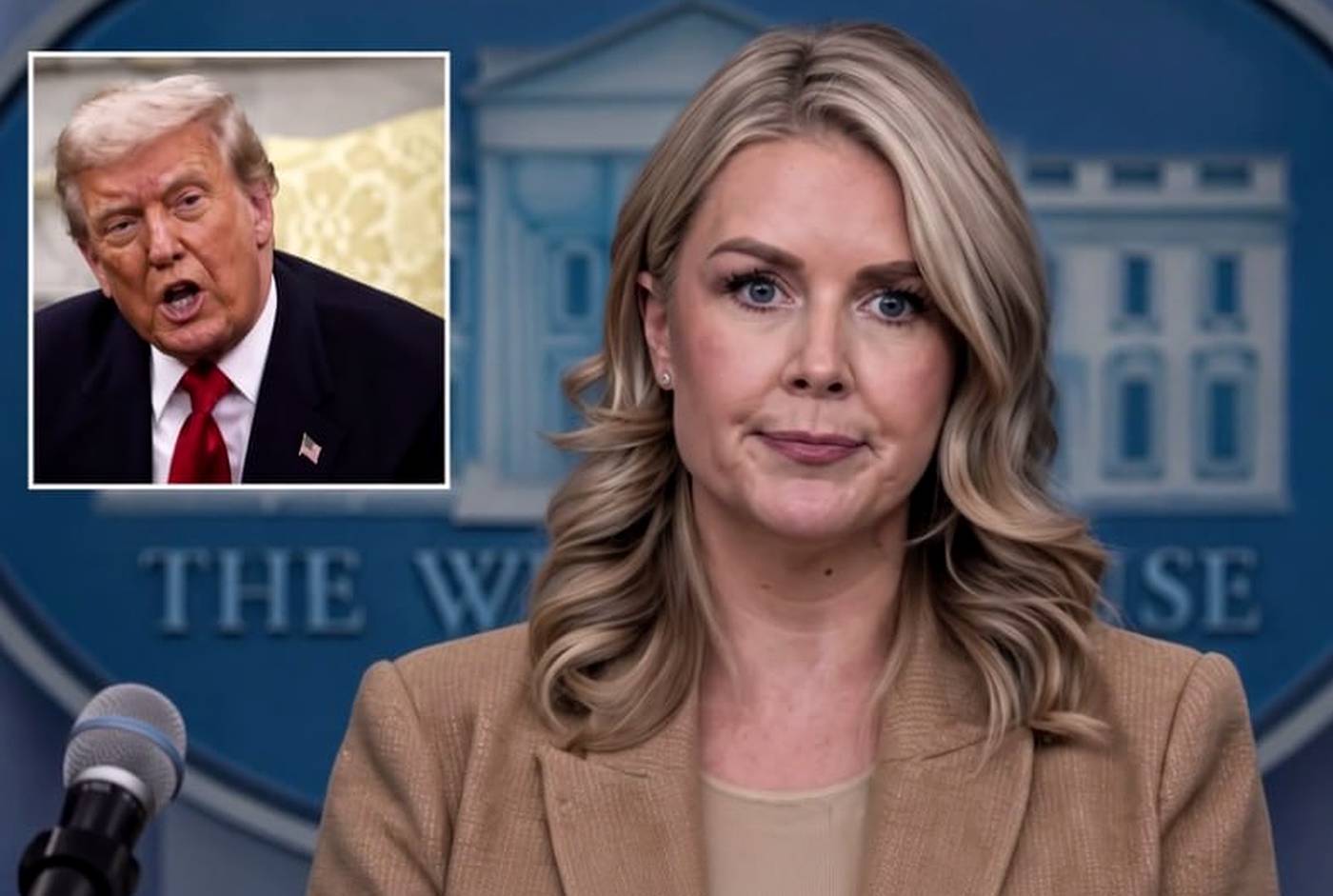
SHE’S OUT! First Trump official gone after defying his orders…

by


According to reports, the official had raised objections to a directive that conflicted with her interpretation of policy or legal procedure. That resistance, insiders claim, was viewed as unacceptable in an environment where alignment with leadership is expected to be absolute. Within days, conversations behind closed doors reportedly shifted from negotiation to replacement, culminating in her removal. Supporters of the move argue it reinforces discipline and clarity of command, while critics warn it discourages independent judgment inside government.

The fallout has been immediate. Allies of the ousted official expressed concern about what they see as a chilling effect on professional disagreement, suggesting that experienced voices may think twice before offering pushback in the future. Meanwhile, Trump’s supporters praised the decision as decisive leadership, saying it proves that insubordination won’t be tolerated and that elected leadership—not unelected officials—sets the agenda. Social media erupted, with hashtags and hot takes framing the exit as either accountability or authoritarian overreach.

What happens next could shape the tone for future appointments and internal debates. With a replacement expected swiftly, observers are watching to see whether the new pick signals continuity or an even tighter circle of loyalty. One thing is clear: the episode underscores how quickly fortunes can change in high-stakes politics—and how defying orders at the top can carry immediate consequences.


Breaking News: Thirteen Nations Form Military Coalition Amid Escalating Global Tensions

by


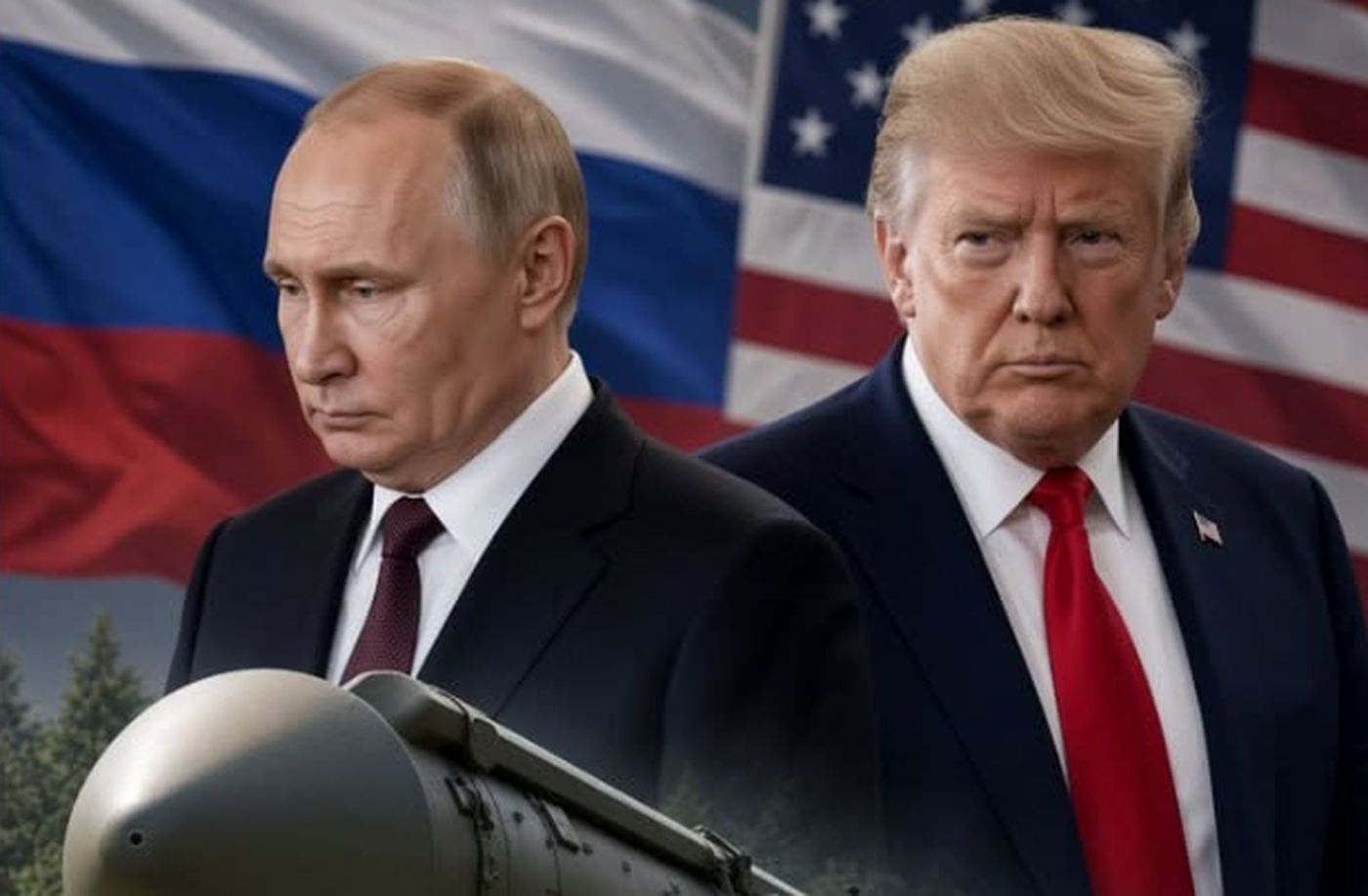
The announcement comes amid rising tensions between major world powers, as images circulate showing advanced missile transport systems on the move alongside senior political figures at a high-level international setting. Analysts say the symbolism alone has been enough to rattle global markets and trigger emergency meetings at the highest levels of government.

According to early reports, the newly formed alliance is described as a “defensive coordination effort,” aimed at countering what member states view as increasing strategic threats and military posturing. While officials have stopped short of confirming imminent military action, the scale of cooperation suggests a significant shift in global power dynamics.

Military experts note that the presence of long-range missile platforms in the imagery sends a powerful message—one of deterrence, readiness, and technological capability. “This is not just about weapons,” one security analyst said. “It’s about signaling influence, unity, and resolve.”

World leaders have urged calm, emphasizing the importance of diplomacy over confrontation. Emergency sessions have reportedly been convened at international institutions to prevent further escalation and to open communication channels between opposing blocs.

Citizens around the world are watching closely as events unfold, with many fearing the consequences of miscalculation in an already fragile global environment. Whether this coalition marks the beginning of a new balance of power—or a dangerous step toward wider conflict—remains to be seen.

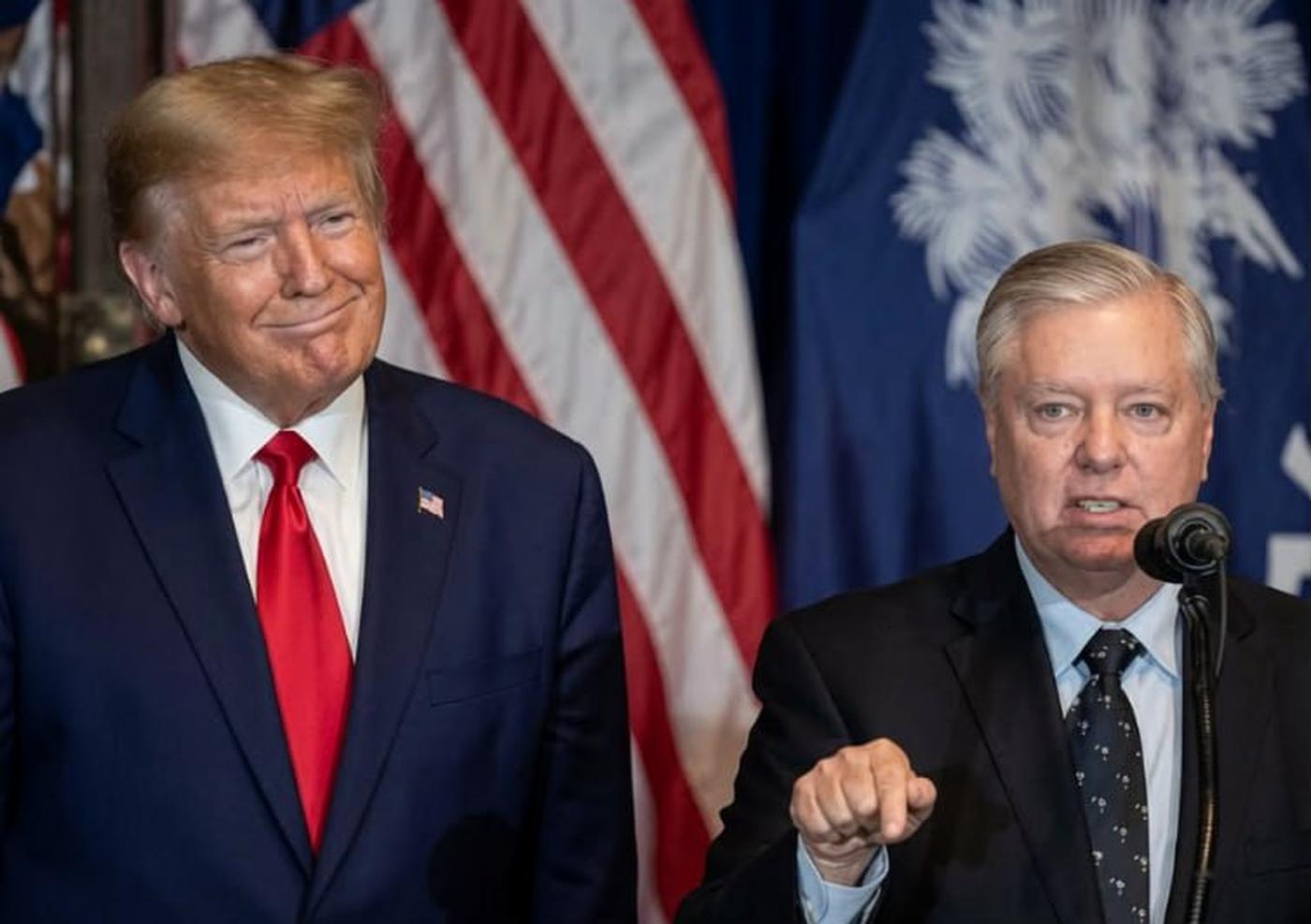
Here Who Is Likely To Replace Lindsey Graham – For Now

by


There is something quietly fitting about this. The man who adopted his teenage sister after both their parents died within a short time of each other — who raised her as his own family when she had nowhere else to turn — may now be succeeded in the United States Senate by that same sister.

President Trump posted to Truth Social Monday morning recommending that Governor Henry McMaster appoint Darline Graham Nordone as South Carolina’s interim senator. “This would be a fabulous tribute to Lindsey, who loved her dearly,” Trump wrote. McMaster’s office announced he would make the formal appointment announcement Monday at 4 p.m.

The backstory behind this recommendation matters and deserves to be told plainly. Lindsey Graham was a young man when he lost both parents in rapid succession. Rather than let his teenage sister navigate that loss alone, he stepped up — legally adopting her and raising her himself. It was a defining act of personal character from someone who would go on to spend thirty years in the United States Senate. The bond between them was real, documented, and by every account deeply important to both of them.

Appointing Darline Graham Nordone as his interim successor is not a gimmick or a political maneuver. It is a recognition of that bond and a graceful way to honor a senator whose family story is inseparable from the man he became.

The practical political picture is straightforward. The interim appointment lasts only until the term ends in January — unless Nordone chose to run for a full term, which nothing in current reporting suggests she intends to do. The more consequential question is who wins the Republican special primary next month to become the party’s nominee for the general election against Democrat Annie Andrews in November.

That race remains rated solidly Republican by the Cook Political Report — as it was when Graham was alive — and nothing about his passing changes South Carolina’s fundamental political landscape. The seat should stay Republican. The primary process to select his replacement begins almost immediately, with candidate filing opening July 28th.

The immediate concern, separate from the Senate race itself, is the committee vacuum Graham’s death creates. He chaired the Senate Budget Committee — a critical role at a moment when the reconciliation process is still grinding forward — and was one of Washington’s most influential voices on foreign policy at a moment when the Middle East situation demands exactly that kind of experienced, credible engagement. Those gaps don’t fill themselves, and Republican leadership needs to move quickly on both fronts.

But for today, the focus is on Darline Graham Nordone — a woman who knows better than anyone what her brother gave to this country, because she saw firsthand what kind of man he was long before Washington did.

It’s a fitting tribute. McMaster should make it official.

Biden Judge Orders Trump To Restore Left-Wing Ideology to National Parks

by


The content removed by the administration was installed during the Biden years and focused heavily on revisionist left-wing ideology, reports noted.

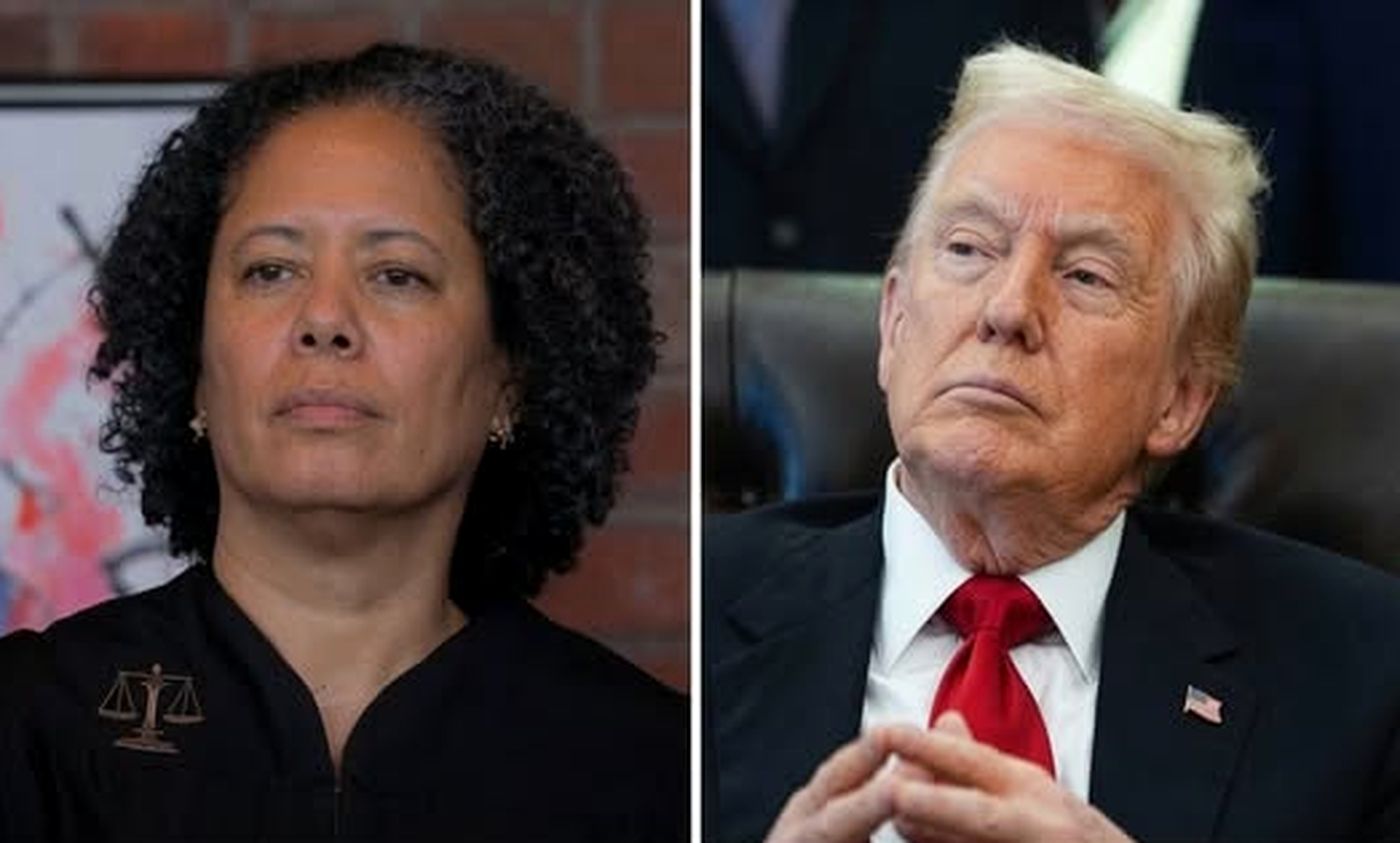
U.S. District Judge Angel Kelley of Massachusetts issued a preliminary injunction earlier this month ordering the Trump administration to restore the exhibits and halt any additional removals while the legal challenge proceeds.

Kelley, who was appointed to the federal bench by former President Joe Biden in 2021, ruled that the administration must reverse the changes pending further court proceedings.

The decision comes as the nation marks the America 250 celebration, which is scheduled to culminate with Independence Day events on July 4.

The Interior Department in a statement called Kelley a “liberal activist judge” and said it was reviewing its options to appeal its removal of what Secretary Doug Burgum criticized as “improper partisan ideology.”

“This ruling is from a liberal activist judge,” an Interior spokesperson told Fox News Digital.

“The Department will look at our appeal options while we celebrate UFC Freedom 250 on the South Lawn of the White House this weekend in honor of our nation’s 250th with the greatest president in the history of our country – President Donald J. Trump,” the spokesperson added.

Trump’s March 27, 2025 executive order, “Restoring Truth and Sanity to American History,” aims to restore true American heritage to national parks and monuments that were “changed to perpetuate a false reconstruction of American history” following race-fueled riots in 2020.

Trump ordered Interior to “take action, as appropriate and consistent with applicable law,” to ensure that all U.S. government descriptions and depictions do not “inappropriately disparage Americans past or living” – instead putting “focus on the greatness” of America.

Judge Kelly did not clarify why Biden’s administration had the authority to make changes to the displays but Trump’s administration doesn’t.

She did claim in her ruling, however, that plaintiffs had demonstrated that the Trump administration’s actions were meant “to rewrite the Nation’s history with a white-out pen.”

It’s not clear how she arrived at that conclusion based on the law rather than her own opinion.

Trump, meanwhile, said he had issued the order because of the “false reconstruction” of U.S. history under Biden.

Kelly wrote in her ruling that removing language that disparages Americans while emphasizing the greatness of the country somehow sets a “dangerous precedent of censorship and sanitization.”

Kelley also directed the administration to submit weekly status reports to the court outlining its progress in restoring the exhibits and other affected materials.

According to the lawsuit, the Interior Department under Burgum removed or altered several displays, including an exhibit at Independence National Historical Park in Philadelphia discussing George Washington’s ownership of enslaved people and signage at Fort Sumter National Monument in South Carolina addressing the effects of climate change.

“Under the guise of promoting American dignity, this administration seeks to share a limited history by ordering the removal of all signs, displays, and interpretive exhibits at National Parks that do not align with its preferred narrative, thereby telling half-truths,” Kelley – who is no historian – wrote.

Trump signed an executive order directing federal agencies to work toward what the administration described as “restoring truth and sanity to American history” at the nation’s museums, parks and historic landmarks.

Following the order, Interior Secretary Doug Burgum instructed the department to review and remove what he described as “improper partisan ideology” from museums, monuments, historic sites and other public exhibits managed by the federal government.

“Museums in our nation’s capital should be places where individuals go to learn — not to be subjected to ideological indoctrination or divisive narratives that distort our shared history,” said Trump’s executive order.

Tributes Are Pouring In as Fans Reflect on a Remarkable Legacy-

by


Deborah James was dying, and her mother knew it before the rest of the world did. The nation saw bravery; her family saw the quiet, devastating details. In those final days, every breath felt like a question, every smile like a goodbye. Love, anger, relief, and guilt collided in one unbearable momen… 

In the privacy of her final days, Deborah James was not the tireless campaigner the public followed, but a daughter held tightly by the woman who had once soothed childhood fevers and schoolyard tears. Her mother watched the treatments stop working, watched the light in her daughter’s eyes flicker between determination and exhaustion, and understood what no parent ever wants to accept: that love could no longer save her, only accompany her to the end.

Yet in that unbearable acceptance, there was a fragile kind of peace. Deborah had turned her diagnosis into a movement, sparking conversations that prompted strangers to book screenings and catch cancers early. For her family, the legacy is not just national headlines, but the memory of a woman who laughed with her children, planned a future she knew she might never see, and chose to meet death with honesty, grace, and defiant hope.

Michelle and Barack Obama Meets Malia’s Newborn for the FIRST Time Cute Moments!

by


of the most intimate and emotional family moments imaginable

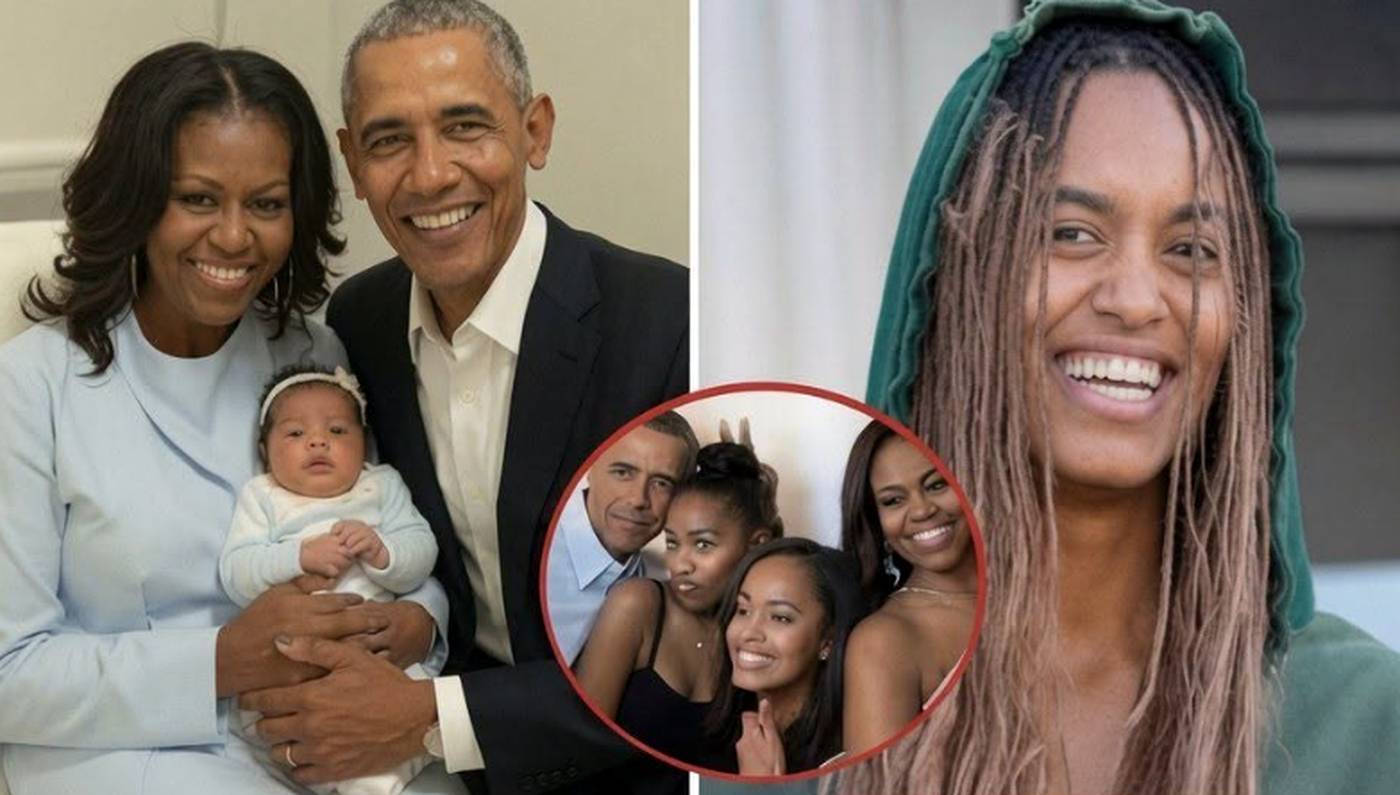
What begins as a quiet private meeting between Michelle Obama and her daughter Malia’s newborn blossoms into a profound encounter layered with memory reflection and the type of vulnerability rarely seen from one of the world’s most admired public figures

Within this imagined universe Michelle and Barack Obama make their way through a soft lit living room where Malia waits gently cradling her first child

There is no motorcade no cameras no political urgency

Just a family at the dawn of a new generation

And yet beneath the warmth of the moment lies something deeper

A wave of memory and emotion Michelle never expected to encounter again

The First Embrace A Grandmother’s Heart Opens

In this fictional account Michelle approaches slowly her expression a mixture of awe disbelief and tenderness

For years she has spoken publicly about the passage of time how quickly childhood unfolds how adulthood arrives in sudden waves

Now imagining herself standing before her daughter’s newborn she feels time gather itself around her in a way both powerful and overwhelming

When Malia places the baby into her arms Michelle’s breath catches

A warm weight representing hope legacy and the continuation of a story decades in the making

Her hands instinctively cradle the newborn

Her body responds with the practiced ease of a mother

But her eyes grow wet not only from joy but from something older something tucked away in the quiet corners of memory

In this imagined scene Barack watches from a few steps away

He knows the woman beside him better than the world ever has and he senses the emotions rising beneath her calm exterior

A Memory Michelle Never Expected to Revisit

As Michelle rocks the baby gently a forgotten memory pushes its way forward

It is not dramatic but deeply personal the kind of moment that shapes a woman without ever being fully spoken aloud

In this fictional narrative Michelle recalls the early days of her own motherhood

Days filled with anxiety exhaustion and wonder

Days when she felt pulled between overwhelming responsibility and overwhelming love

Those who see her now as a confident public figure rarely imagine what those beginnings looked like

This imagined memory includes a younger Michelle sitting in a small Chicago apartment holding baby Malia for the first time

She remembers the simultaneous weight and lightness

The desire to be strong for her child while still learning how to be strong for herself

Now decades later the presence of a new baby reopens the tenderness of those early days

The emotions sweep through her not as sorrow but as recognition

In holding her granddaughter she is holding a part of her younger self

A reminder of where she has been and who she became

In this imagined moment Barack does not interrupt

He knows the significance of allowing space for emotion when it rises naturally

He watches as Michelle holds the baby her shoulders softening her expression shifting through layers of joy memory and gentle pain

Barack has often spoken about his admiration for Michelle’s strength

But here in this quiet fictional exchange he witnesses a different kind of strength

One that comes not from enduring the pressures of the world but from being open to the depth of family love

Malia’s New Chapter And The Mother She Remembers

Malia watches her mother and sees more than a grandmother meeting a newborn

She sees the woman who guided her through childhood dreams fear challenges and triumphs

In this imagined story Malia notices Michelle’s eyes shining and it brings a new understanding

Motherhood she realizes is not simply a role

It is a series of chapters some closed some unresolved some unexpectedly reopened

In seeing Michelle become emotional Malia recognizes that family stories do not end

A Twist of Destiny The Baby Who Reopens A Closed Door

What makes this fictional meeting different from a simple family introduction is the way it reconnects Michelle with a piece of her own past

A chapter she believed had settled naturally over time

The newborn’s presence acts as a bridge between generations

It brings back early joys early fears and early promises

It reminds Michelle of the women who shaped her her own mother and grandmother

It reminds her of the responsibility she once felt as a young woman tasked with both nurturing a child and building a life of purpose

In this narrative the moment becomes a kind of emotional convergence

A grandmother reconnecting with the young mother she once was

A daughter witnessing the strength and vulnerability of the woman who raised her

Michelle’s Quiet Tears And What They Reveal

When Michelle’s first tear falls it does not come from sadness

She wipes it away quickly but not before Malia sees it

In this imagined scene Michelle whispers softly that the baby reminds her of the early days of motherhood

Of how impossible it felt to balance dreams and responsibility

Of how she feared she would fail and how she learned over time to trust herself

A rare moment where the polished public figure fades and the private woman stands fully present

Through this imagined encounter something shifts inside the Obama family

The baby’s arrival symbolizes healing renewal and the continuation of a family story shaped by resilience purpose and love

It reconnects Michelle to memories that shaped her

It allows Malia to see her mother through new eyes

It gives Barack the chance to witness the emotional threads that bind generations

Family moments like these the narrative suggests have the power to heal even wounds that were never acknowledged

They reveal truths that words alone cannot express

Conclusion A Moment That Lingers Long After It Ends

This fictional account of Michelle Obama meeting her granddaughter for the first time illustrates more than a milestone

It shows how family moments can awaken forgotten emotions how the arrival of a new generation reshapes the identities of those who came before and how love continues to evolve across time

In this imagined scene the baby becomes both memory and possibility

A reminder of where the family has been and where it is going

And as Michelle rocks her granddaughter in her arms she embodies both past and future

A woman who has lived many lives and still continues to grow with each new chapter her family brings

Leavitt Sets Media Straight With Fact-Check On Joe Biden

by


White House Press Secretary Karoline Leavitt presented a compelling statistic about how accessible President Donald Trump has been just a year into taking office and how little the public ever saw former President Joe Biden during his term.

While speaking at a media event hosted by Axios co-founder Mike Allen, Leavitt highlighted the contrast between President Donald Trump’s accessibility and that of Biden. She also pointed out that many in the media overlooked Biden’s avoidance of the media and his largely “hiding” behavior during his four years in office.

“You have tailed access to the ‘Associated Press,’ which reaches half the world’s population every day. The most definitive photo of President Trump, the fight, fight, fight photo after the assassination attempt in Butler, Pennsylvania, was made by Evan Vucci, who’s the chief photographer in Washington for the ‘Associated Press.’ Do you worry about history being lost with these new restrictions?” Allen asked Leavitt.

“I don’t view them as restrictions. We view them as opening access to more outlets, more voices, more news, journalists and outlets. We shouldn’t have a few outlets who have a monopoly over the briefing room or over that 13 person press pool that covers the president. And so we’ve actually ensured that more print outlets like Axios have a greater chance of being part of that 13 person press pool,” Leavitt began.

“There are thousands of outlets who have White House press credentials. There are hundreds that actually show up every day and cover the beat. Why should a single outlet have the privilege of being in that 13 person press pool every single day. And so the changes we’ve made have actually created more transparency, more accessibility, and greater access for a broad variety of outlets and a diversity of journalists, which I think is a good thing. And we’ve seen that play out,” Leavitt added.

“I mean, we started this. I think you’re all still getting your news, right? You’re still hearing about what the administration is doing every single day, because we have good journalists who are in that room covering the president every single time,” Leavitt said.

Allen jumped in and asked: “The counter to that is in a White House Correspondents Association’s statement about the White House changes to the position of wire services in the pool. And the statement says the government should not be able to control the independent media that covers it. Do you agree with that statement?”

“Well, I think that a small group of journalists who comprise the board of the White House Correspondents Association should not dictate who gets to go into the Oval Office and who gets to ride on Air Force One. There should be equal access for all outlets,” Leavitt responded.

“And that’s exactly what we’re doing. And if we were trying, by the way, to create positive press for the president, if we were trying to make it easier on him or on the administration, we wouldn’t allow some of these fake news leftist outlets in. But we continue to do that. No one has been restricted. We’ve just given more spots to more outlets and more voices,” she said.

Leavitt concluded, “It’s not about ideology. It’s just about increasing the wide variety of outlets that have access. And we live in a digital age, and we’re recognizing that at the White House. The president ran a nontraditional media campaign, which propelled him back to the highest office in the land. And we felt it was our responsibility to continue that in our coverage at the White House.”

In July, Axios published a story titled “Biden’s media evasion,” revealing that the Democrat held fewer press conferences and media interviews than any of the last seven presidents at the same point in their term. At that time, Biden had conducted only 164, compared to Trump’s 468.

The next lowest were George W. Bush with 248 and Ronald Reagan with 262.

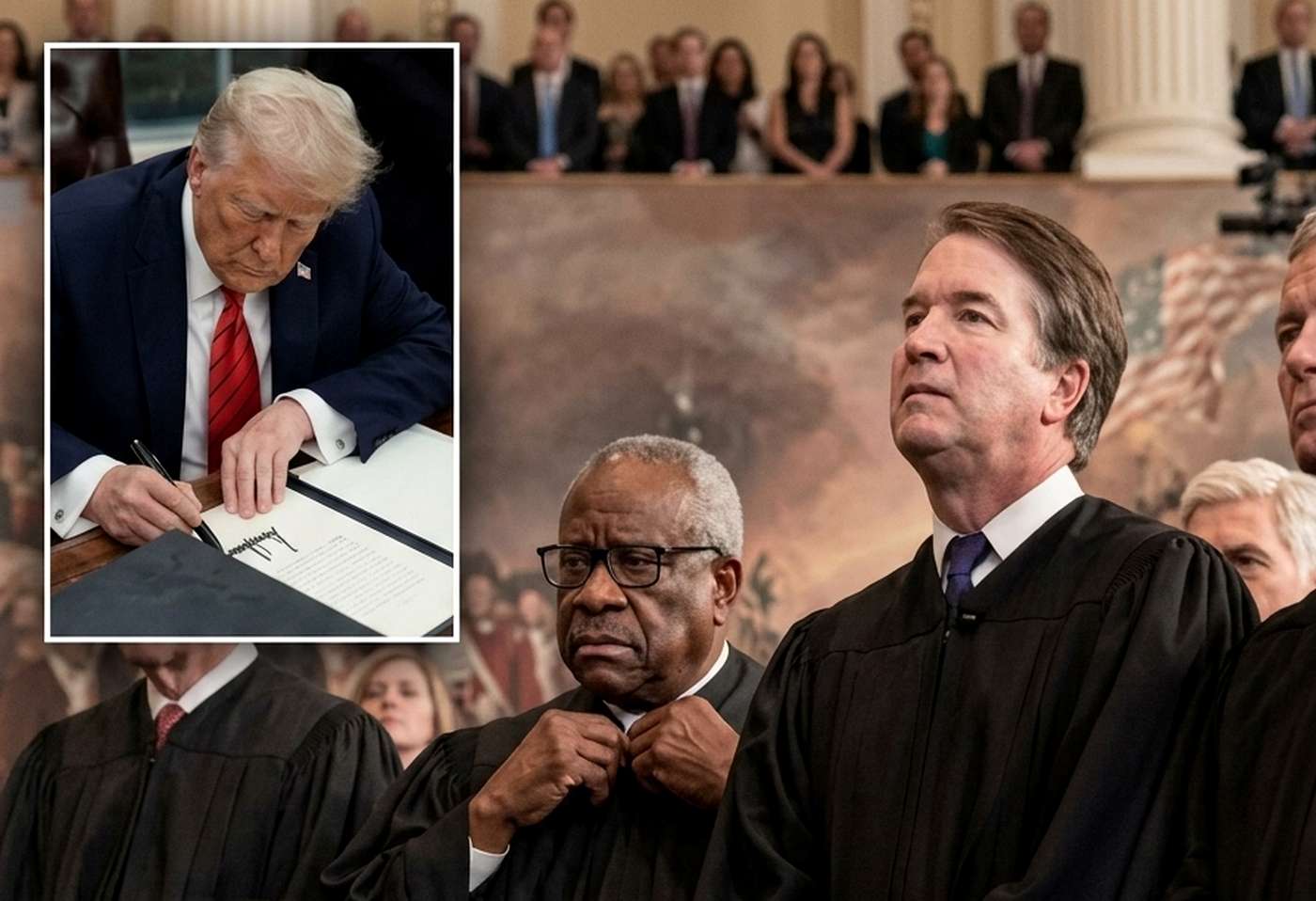
Justice Thomas Makes It Clear He’s Not Happy With Supremes Who Rejected Florida Lawsuit

by


 And he’s been one of the best additions to the court in its distinguished history. He knows the Constitution like the back of his hand. So when a decision is made that seems injurious to the nation’s founding document, he responds like a parent trying to protect a child. Thomas took other justices to task on Tuesday after a majority of the court refused to hear a lawsuit brought by Florida against Washington and California:

Justice Clarence Thomas accused California and Washington of undermining federal immigration and trucking safety standards after a deadly Florida highway crash, blasting the Supreme Court on Tuesday for refusing to hear a case Florida had “nowhere else to bring.”

Florida alleged the two blue states improperly issued commercial driver’s licenses to illegal immigrants in violation of federal standards requiring English proficiency and lawful immigration status for certain commercial drivers, arguing the policies created a public safety threat on American roads.

Thomas, joined by Justice Samuel Alito, said the Supreme Court had a constitutional obligation to hear the dispute because lawsuits between states can only be brought before the high court.

“If this Court does not exercise jurisdiction over a controversy between two States, then the complaining State has no judicial forum in which to seek relief,” Thomas wrote. There’s only one court in the country that can hear lawsuits between states, and that’s the Supreme Court.

More:

Thomas argued that Florida’s allegations against Washington and California were serious because failing to follow federal commercial licensing laws can create dangerous road conditions and, he said, has contributed to deadly crashes.

Thomas pointed to the fatal Florida highway crash involving truck driver Harjinder Singh, who he said “could not read the road signs,” and argued Florida deserved a chance to pursue its claims.

People in the country illegally who can’t read road signs in English can’t be allowed to drive 80,000-pound tractor-trailers on American highways, he said.

“Federal law and regulations prohibit States from providing commercial driver’s licenses to applicants unless they pass a driver’s test, sufficiently understand the English language, and show appropriate immigration status,” Thomas noted.

Thomas wrote that while the court may exercise discretion when deciding whether to hear ordinary appeals, disputes between states stand on different constitutional footing.

“We have no more right to decline the exercise of jurisdiction which is given, than to usurp that which is not given,” Thomas wrote.

He’s right, of course. Florida now has no other recourse to pursue legal claims for the deaths of three of its residents. So not only were those deaths in vain, the two blue states who issued the Indian trucker a license get off scot-free.

It’s an outrageous development; Thomas and Alito are right to be upset about it. More than that, we have seven justices who think it’s okay to ignore a basic function of the high court: Settling disputes between states.

Trump Says Iran Deal Could Be Reached Within A Week

by

 President Donald Trump said he believes the United States and Iran could reach an agreement within the next week to extend the current ceasefire and reopen the strategically important Strait of Hormuz.

Speaking by telephone with ABC News chief Washington correspondent Jonathan Karl, Trump expressed confidence that negotiations remain on track despite a brief setback earlier in the day. “Looking good, looking good,” Trump said. The president acknowledged there had been a “glitch” in the talks but claimed he quickly helped resolve the issue. “There was a little glitch today, but I turned that one around very quickly, as you probably noticed earlier,” Trump said. According to Trump, the problem emerged after Iran became upset over Israeli military actions involving Lebanon. “So, I spoke with Hezbollah, and I said no shooting, and I talked to Bibi [Israeli Prime Minister Benjamin Netanyahu], and said, no shooting, and they both stopped shooting each other,” Trump said. Trump suggested that a negotiated settlement with Iran could prove more significant than a battlefield victory. “A peace agreement with Iran could be even better than a military victory,” he said. The president cautioned that reaching a final deal remains difficult because of decades of hostility between Washington and Tehran. “It’s not a simple thing,” Trump said. “You’re talking about a real large country — them — very large country making a deal. Tremendous hostility, really.” He continued, “So it’s not an easy thing for them. It’s actually not easy from our standpoint either. But we’re getting what we need to get.”

Asked when a memorandum of understanding to reopen the Strait of Hormuz could be finalized, Trump pointed to a relatively short timeline. “I think you’re talking about over the next week,” he said. Trump added that negotiations are not yet complete because several issues still need to be resolved. “I still have to get a few more points,” he said. The president’s comments came after confusion earlier Monday when Iran announced that communications with the United States had been halted because of what it described as Israeli aggression in Lebanon. However, Trump later signaled that discussions had not collapsed. In a social media post, the president said negotiations with Iran are still moving forward and are “continuing” at a “rapid pace.” Iran has not publicly confirmed that talks have resumed. Trump also used social media to claim he personally intervened to prevent a broader conflict between Israel and Hezbollah.

In one post, he said he spoke directly with Netanyahu and secured assurances that Israel would not send troops into Beirut. “There will be no Troops going to Beirut, and any Troops that are on their way, have already been turned back,” Trump wrote. The statement followed reports that Netanyahu had called for renewed strikes in southern Beirut. Trump further claimed that Hezbollah agreed to halt attacks on Israel following discussions conducted through intermediaries. “Likewise, through highly placed Representatives, I had a very good call with Hezbollah, and they agreed that all shooting will stop — That Israel will not attack them, and they will not attack Israel,” Trump claimed. The developments unfolded against the backdrop of ongoing efforts to transform the current ceasefire into a broader peace agreement, ABC News reported. Earlier Monday, reports that Iran had stopped communications raised concerns that negotiations could be unraveling. Trump, however, dismissed the significance of Tehran’s public statements during a separate interview with NBC News. The Strait of Hormuz remains one of the world’s most critical shipping lanes, with a substantial portion of global oil exports passing through the narrow waterway. Reopening the Strait and securing a lasting agreement could have significant implications for energy markets, regional stability, and international trade. This article may contain commentary which reflects the author’s opinion.

False Alarms: Clarifying Reports About Military Actions in Korea.

by


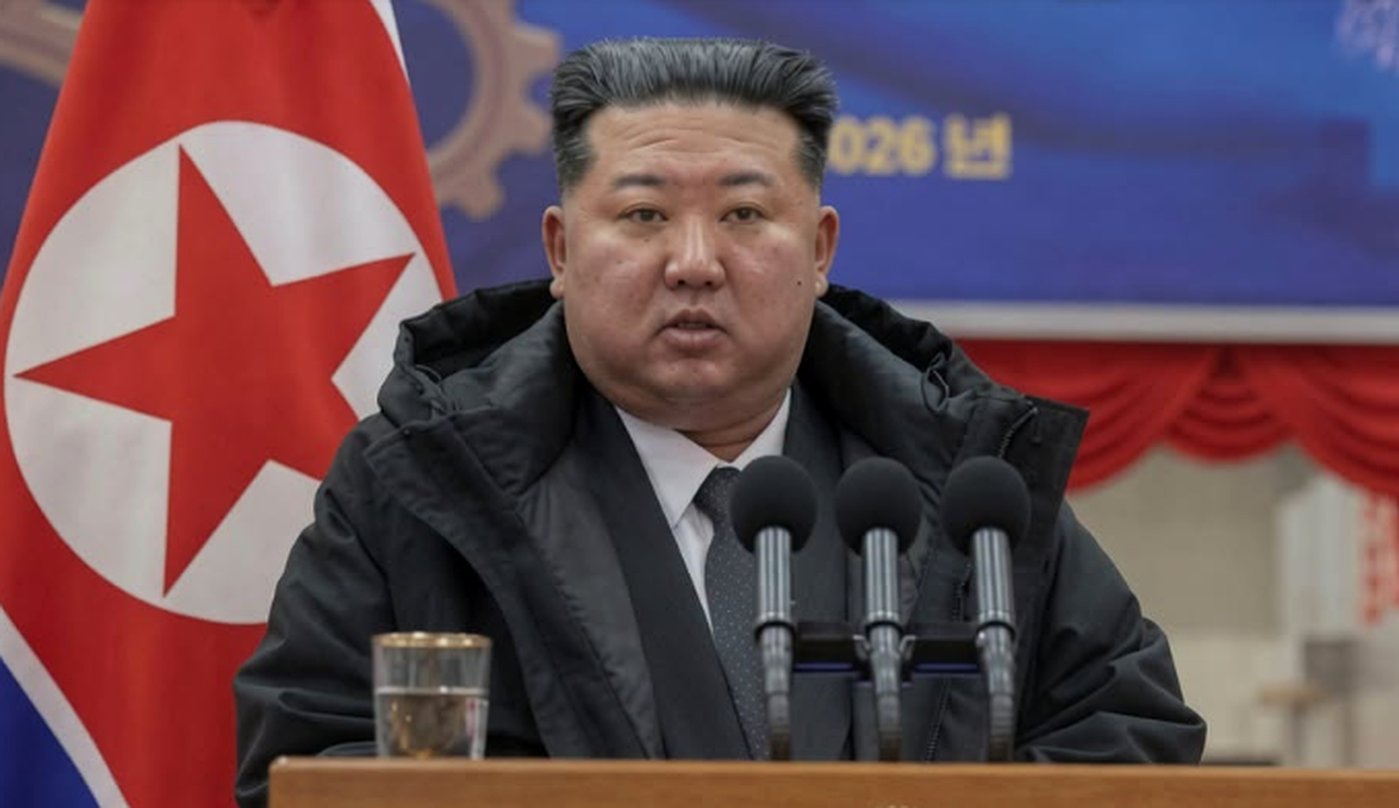
Recent news headlines have caused widespread concern and confusion online, claiming that Korea has issued an order to attack another country. These reports spread rapidly across social media, prompting discussions, debates, and in some cases, panic. However, after careful verification from trusted sources, these claims have been confirmed as false.

It is important to address misinformation like this promptly, as false reports

about military actions can have serious consequences, from unnecessary public anxiety to the spread of harmful rumors. Understanding the facts, sources, and the context surrounding such headlines is essential for everyone navigating today’s fast-moving news environment.

Understanding the Situation The Claims The viral story suggested that the Korean government had authorized a military strike against another nation, sparking fears of escalating regional conflict. Social media posts and certain websites amplified the claim, often without citing credible sources or official statements.

The Reality Verified reports from official government channels and reputable news organizations indicate that no such military order was issued. South Korean officials have emphasized that the government is actively monitoring international tensions, working to maintain regional stability, and prioritizing the safety of its citizens. There is no evidence of a planned attack or any military action that matches the viral claims.

How Misinformation Spreads False news, especially regarding high-stakes topics like military actions, tends to circulate quickly online. Several factors contribute to this:

Social Media Algorithms: Platforms often amplify sensational content, making it more visible regardless of accuracy. Fear and Anxiety: News that implies danger or conflict triggers strong emotional responses, increasing shares and engagement. Clickbait Headlines: Some sites intentionally craft attention-grabbing headlines to drive traffic, even if the story lacks credible evidence. Understanding these mechanisms helps the public remain critical of unverified reports and reduces the spread of panic-inducing misinformation.

The Importance of Relying on Trusted Sources When faced with alarming news, it is essential to verify information through reliable channels. Trusted sources for international news include:

Official government statements and press releases Reputable global news agencies such as the Associated Press, Reuters, or BBC Expert analyses from recognized political or military scholars By consulting these sources, individuals can make informed judgments and avoid sharing unverified claims that could create unnecessary fear.

The Role of South Korean Officials South Korean authorities have consistently prioritized peaceful conflict resolution and regional security. Statements released by government spokespeople clarify that the focus is on diplomacy, international cooperation, and protecting the public rather than aggressive military action.

Officials have reiterated the importance of:

Monitoring international developments to assess potential threats Maintaining public calm by providing accurate information Engaging in diplomatic discussions with allies and neighboring countries These measures reflect a responsible approach to regional security, contrasting sharply with the sensational claims circulating online.

Public Reactions and Responsibility When such false reports emerge, reactions are often

mixed. Some individuals may panic, while others might question the credibility of media outlets. It is important for the public to:

Avoid sharing sensational news without verification Check multiple reputable sources before reacting Educate themselves and others about the dangers of misinformation Responsible consumption and sharing of news help reduce confusion and promote an informed, calm public discourse.

Lessons From Viral False Reports The incident highlights broader lessons about the modern information landscape:

Critical Thinking is Essential: Not every headline represents verified facts. Take time to analyze content. Trust Credible News Outlets: Established media organizations follow rigorous verification standards. Avoid Amplifying Fear: Sharing alarming content without confirmation can exacerbate public anxiety. Stay Informed, Stay Safe: Accurate information empowers individuals to make rational decisions. By applying these principles, readers can better navigate news cycles and avoid being misled by sensationalist claims.

The Global Context Regional tensions in East Asia are often a subject of international attention. While South Korea is engaged in ongoing monitoring and strategic planning regarding regional security, it is critical to distinguish actual military activity from rumors or misinformation.

Analysts emphasize that:

Diplomatic channels are actively used to address conflicts Military actions, if any, are subject to strict protocols and public announcements Public speculation should not replace factual reporting Understanding this context helps prevent misconceptions about the intentions and policies of any government.

Conclusion The recent viral claim that Korea has ordered a military attack is completely false. Trusted verification confirms that there is no planned action, and South Korea continues to prioritize diplomacy, safety, and regional stability.

This situation serves as a reminder of the importance of:

Consulting reliable news sources Avoiding the spread of unverified claims Staying calm in the face of sensational headlines Educating oneself about the difference between verified facts and viral rumors In a world where news travels faster than ever, responsible consumption and sharing of information are critical. By approaching news critically and relying on credible sources, the public can remain informed without succumbing to unnecessary fear.

Trump officially signs order to rename Lake Ontario as trade war escalates further

by

 Donald Trump has detonated a diplomatic grenade. With one signature, he ordered the US government to stop calling it Lake Ontario – and start calling it “Lake America.” It’s a name change no one asked for, in the middle of a trade war no one feels they’re winning. Canada is furious. The tariffs are rising. The language fight is spreading. And the lake at the heart of two nations has suddenly become a battlefield of egos, sovereignties, and shatt… 

Trump’s order to rebrand Lake Ontario as “Lake America” is less about cartography and more about confrontation. Coming days after trade talks collapsed and punishing tariffs kicked in on both sides of the border, the renaming reads like a taunt: a symbolic flex meant to sting Ottawa while thrilling parts of his base. Legally, it changes only how US agencies label maps and documents. Politically, it deepens a rift that already runs from steel and lumber to streaming platforms and the French language in Quebec.

Canada can – and will – go on calling it Lake Ontario. That quiet fact undercuts the drama of the decree, exposing the limits of presidential power beyond US shores. Yet the gesture still matters. It shows how fragile alliances can be when reduced to personal grudges and viral soundbites, and how easily a shared lake can become a mirror of shared mistrust.

Sunday, September 6, 2026

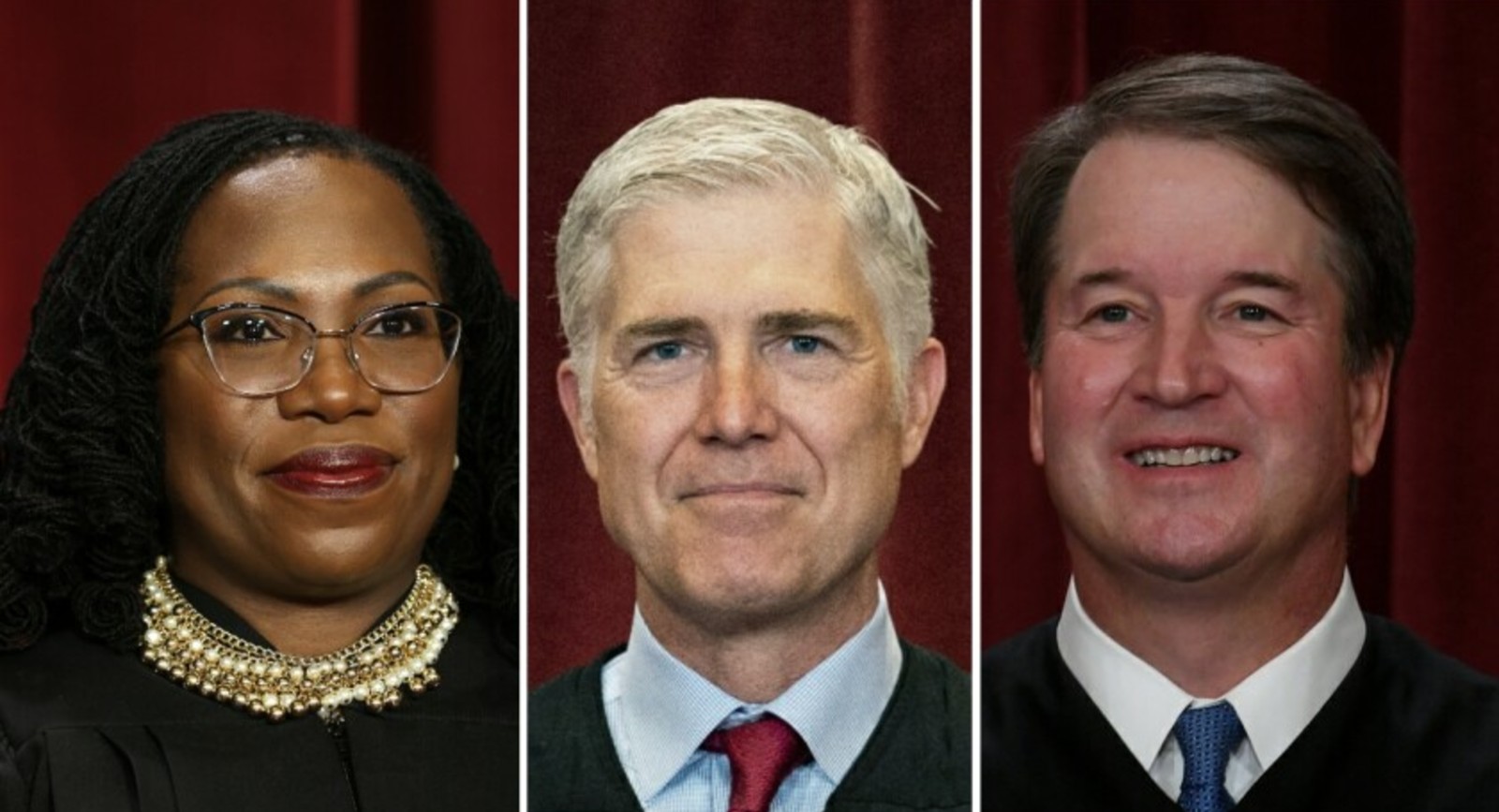
SHALL MEANS SHALL Ruling Supreme Court Blockbuster 9-0 Victory

by


The Supreme Court of the United States issued a unanimous 9-0 ruling interpreting the statutory word "shall" as an absolute mandatory requirement within the context of federal election law, delivering a monumental legal victory for advocates of strict election integrity and statutory enforcement.


Legal analysts and constitutional scholars noted that the unanimous opinion reinforces a fundamental statutory principle: when Congress utilizes the term "shall" in election legislation, it creates a non-discretionary legal obligation rather than a discretionary guideline. The high court's decision provides significant legal backing for federal and state authorities seeking to enforce mandatory voter eligibility verification, citizenship checks, and strict registration standards across the nation.

Advertisement


Following the blockbuster judicial ruling, Senate Majority Leader John Thune signaled that Republican leadership is fully prepared to deploy every available parliamentary mechanism—including the federal budget reconciliation process—to secure the swift passage of the SAVE America Act. The flagship election integrity legislation aims to mandate uniform federal standards ensuring that only verified American citizens who are properly registered can participate in federal elections.


Speaking to reporters following a Senate Republican policy luncheon, Senator Thune confirmed that budget reconciliation remains a viable tactical option if opposition maneuvers block the bill under standard legislative procedures.

Advertisement


I think that budget reconciliation, as I’ve said before, you have to have a reason to do it. And if we have reasons to do it—and we may, very well may—I think there’s a lot of support for a budget reconciliation bill.


Senate Majority Leader John Thune stated during a press briefing.


Under the parliamentary rules governing budget reconciliation, legislation directly impacting federal revenues or spending can pass the Senate with a simple 50-vote majority, allowing Vice President JD Vance to cast the decisive tie-breaking vote if necessary. This procedural route bypasses the traditional 60-vote filibuster threshold, though provisions must comply with the strict requirements of the Byrd Rule regarding direct budgetary relevance.

Advertisement


Louisiana Senator John Kennedy expressed strong public support for leveraging the reconciliation framework to guarantee the bill's final enactment into law.


I think we are, Mr. President—I know you are—we need to try to pass this legislation through reconciliation. It means we can pass this bill with 50 Republican votes and the Vice President to break the tie.


Senator John Kennedy stated in support of the legislative strategy.


Department of Homeland Security Secretary Markwayne Mullin indicated that strategic discussions are actively progressing among Republican leaders, noting that Senate Judiciary Committee Chairman Lindsey Graham is committed to drafting a compliant reconciliation package. The proposed framework could incorporate enforcement mechanisms, operational funding for Immigration and Customs Enforcement agencies, and administrative funding structures.

Advertisement


Secretary Mullin highlighted widespread public backing for the voting standards measure, pointing to recent national polling data.


There’s nothing more important than the SAVE America Act. Everybody wants election integrity.


Department of Homeland Security Secretary Markwayne Mullin stated during an interview.


The Supreme Court's unanimous ruling clarifies that statutory mandates in federal election law must be strictly enforced, removing legal ambiguities that previously permitted local jurisdictions to adopt looser verification practices. Proponents emphasize that the SAVE America Act establishes necessary national safeguards against non-citizen voting, while opponents argue the rules could create administrative hurdles for voters.

Top Ad 728x90